Quick Answer
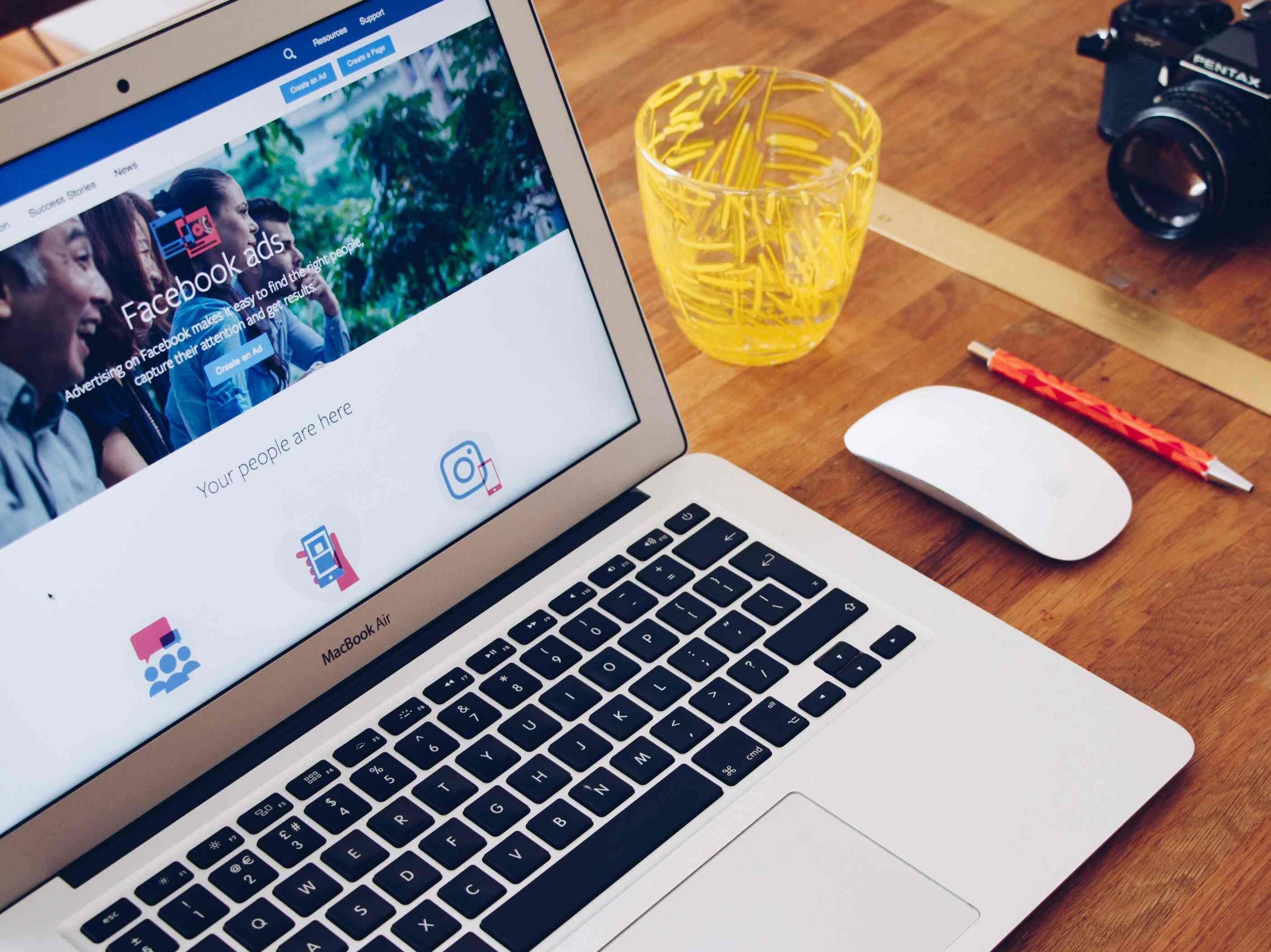
Facebook ad targeting helps businesses show ads to people who are more likely to be interested in their products or services. Advertisers can target users by location, demographics, interests, behaviors, past interactions, and customer data. The main Facebook ad targeting options include detailed targeting, Custom Audiences, Lookalike Audiences, and Meta Advantage+ Audience. The right choice depends on your campaign goal, available audience data, budget, and campaign performance.
Introduction
Facebook ad targeting is one of the most important parts of digital advertising in order to run a successful Meta Ads campaign. It helps businesses reach people who are more likely to care about their products, services, or offers.
With Facebook ad targeting, advertisers can create audiences based on age, gender, location, demographics, inteLookalike Audiences help advertisers find new people who are similar to their existing customers. rests, behaviors, customer lists, website activity, and engagement history. Meta also offers automated tools like Advantage+ Audience, which uses AI to help find people who may be more likely to respond to your ads.
That said, targeting alone does not guarantee strong results. Your ad creative, messaging, tracking setup, landing page, and testing process all play a major role in improving return on ad spend.
This guide explains the main Facebook ad targeting options, how they work, when to use them, and how to choose the best targeting strategy for your business.
Core Elements of Facebook Ad Targeting
Facebook ad targeting works across Meta platforms, including Facebook and Instagram.
Advertisers can reach people based on location, demographics, interests, and behaviors.
Custom Audiences help businesses reconnect with people who have already interacted with their brand.
Lookalike Audiences help advertisers find new people who are similar to their existing customers.
Meta Advantage+ Audience uses Meta’s AI to help identify relevant users.
Some targeting options may be limited by campaign type, region, audience age, or Special Ad Category rules.
What Is Facebook Ad Targeting?
Facebook ad targeting is the process of choosing who should see your ads across Meta platforms. Instead of showing ads to everyone, advertisers can create specific audience groups using different audience signals.
These signals may include:
- Location
- Age
- Gender
- Demographics
- Interests
- Behaviors
- Website visits
- App activity
- Email lists
- Facebook and Instagram engagement
Meta’s detailed targeting allows advertisers to build audiences using demographics, interests, and behaviors.
In simple terms, Facebook ad targeting helps make your ads more relevant. When your ads reach the right people, you have a better chance of getting more clicks, leads, sales, and a stronger return on investment.
What Are the Main Facebook Ad Targeting Options?
Facebook gives advertisers several ways to target audiences. Each facebook ad targeting option works a little differently and fits a different stage of the customer journey.
1. Age and Gender Targeting
Age and gender targeting helps advertisers narrow down basic audience groups. For example, a skincare brand may target women between 25 and 45, while a gaming accessories brand may focus on younger adults interested in technology.
This option works well when your product naturally appeals to a certain age group or gender. However, it is important not to rely only on assumptions.
A better approach is to test different audience groups and review your campaign data. Your actual customers may not always match your first idea of the “ideal” buyer.
2. Location Targeting
Location targeting allows businesses to reach people in specific countries, states, cities, regions, or local areas. This is especially useful for local businesses, service providers, events, restaurants, clinics, real estate companies, and location-based offers.
For example, a dental clinic in Dallas may target people within a set radius of its office. A national eCommerce brand may target customers across the entire United States.
Location targeting is one of the most important audience controls because it helps reduce wasted ad spend in areas your business does not serve.
3. Demographic Targeting
Demographic targeting helps advertisers reach people based on profile-related details. These may include education, job-related information, relationship status, life events, and other demographic signals.
For example, a wedding planner may target people who are recently engaged. A B2B software company may test audiences based on job roles or professional interests.
Demographic targeting usually works best when combined with other filters, such as location, interests, behaviors, or Custom Audiences.
4. Interest Targeting
Interest targeting helps businesses reach people based on the topics, pages, content, and activities they engage with on Meta platforms.
Examples of interests may include:
- Fitness
- Travel
- Cooking
- Fashion
- Technology
- Digital marketing
- Home improvement
- Sustainable living
This is one of the most commonly used Facebook ad targeting options because it helps businesses reach cold audiences based on what people already care about.
For better results, avoid choosing interests that are too broad or too narrow. Test different interest groups and compare performance before increasing your budget.
5. Behavior Targeting
Behavior targeting focuses on user actions and activity patterns. These may include shopping behavior, device usage, travel activity, and other digital signals.
For example, an eCommerce brand may target people with shopping-related behavior. A travel company may test audiences that show travel-related activity.
Behavior targeting helps advertisers go beyond basic profile details and focus more on how people act online.
6. Connection Targeting
Connection targeting allows advertisers to reach or exclude people based on their connection to a Facebook Page, app, or event.
For example, you may target people who already like your page or exclude existing followers when you are trying to reach a new audience.
Availability may vary based on your campaign setup, objective, region, and account options. Since Meta updates its targeting features over time, advertisers should always check the available settings directly inside Meta Ads Manager before launching a campaign.
7. Custom Audiences
Custom Audiences help businesses reconnect with people who have already interacted with their brand. These audiences may include website visitors, app users, email subscribers, past customers, or people who engaged with Facebook or Instagram content.
Meta describes Custom Audiences as audiences created from your own data sources or Meta engagement data. They are often used for retargeting and customer re-engagement campaigns.
Custom Audiences are valuable because these users already have some awareness of your business. That often makes them more likely to click, sign up, request a quote, or make a purchase.
8. Lookalike Audiences
Lookalike Audiences help advertisers reach new people who share similar traits with an existing audience. The source audience may include past customers, website visitors, email subscribers, or high-value leads.
For example, an online store can create a Lookalike Audience based on repeat buyers. Meta will then look for new people who have similar characteristics.
Lookalike Audiences usually work best when the source audience is strong. A list of loyal customers often provides better signals than a broad list of low-intent users.
9. Meta Advantage+ Audience
Meta Advantage+ Audience uses Meta’s AI to help find people who are more likely to respond to your ads. Instead of relying only on manual targeting, advertisers can provide audience suggestions while Meta optimizes delivery.
Meta states that Advantage+ Audience allows advertisers to use its advanced AI to find a campaign audience.
This option can be useful for businesses that want to give Meta more flexibility. It often works best when you have strong creative, clear campaign goals, and reliable tracking.
Facebook Ad Targeting Options Compared
|
Targeting Option |
Best For |
Example Use Case |
| Age and Gender Targeting | Basic audience filtering | A beauty brand targeting women ages 25–45 |
| Location Targeting | Local or regional campaigns | A dental clinic targeting nearby users |
| Demographic Targeting | Life stage or professional targeting | A course provider targeting job roles |
| Interest Targeting | Cold audience testing | A fitness brand targeting gym interests |
| Behavior Targeting | Action-based targeting | An eCommerce brand targeting online shoppers |
| Connection Targeting | Warm audience engagement | Promoting offers to page followers |
| Custom Audiences | Remarketing | Retargeting website visitors |
| Lookalike Audiences | Scaling campaigns | Finding users similar to past buyers |
| Advantage+ Audience | Automated optimization | Letting Meta AI find likely converters |
How Effective Is Facebook Ad Targeting?
Facebook ad targeting can be effective, but it is not perfect. Its accuracy depends on data quality, user behavior, privacy settings, campaign goals, creative quality, and the way the campaign is structured.
Privacy updates and platform changes have made first-party data more important. Advertisers should not rely only on manual targeting. They should also use Custom Audiences, creative testing, conversion tracking, landing page optimization, and automated tools.
Meta’s Advantage+ detailed targeting may also allow the system to reach a wider group than the advertiser’s selected targeting inputs when Meta expects better performance.
The main point is simple: targeting is only one part of campaign success. Strong results come from combining the right audience with the right offer, creative, and tracking setup.
How Can You Improve Facebook Ad Targeting Performance?
1. Use Your Existing Followers
Your current followers are one of your most valuable audience groups. They already know your brand and may be more likely to engage with your ads.
You can target followers with new product launches, offers, educational content, service reminders, or testimonials. You can also use this audience as a source for Lookalike Audiences.
2. Monitor Ad Frequency
Frequency shows how many times, on average, a person has seen your ad. When frequency gets too high, people may start ignoring it.
High frequency can lead to ad fatigue, lower click-through rates, and wasted budget. Refresh your visuals, copy, offers, and formats when performance begins to drop.
3. Use Custom Audiences for Remarketing
Remarketing helps you reach people who have already shown interest in your business. These may include website visitors, abandoned cart users, video viewers, email subscribers, and social media engagers.
Since these users are warmer than cold audiences, you can show them more specific messages. Examples include limited-time offers, product comparisons, case studies, testimonials, or booking reminders.
4. Use Multi-Level Targeting
Multi-level targeting means combining different audience filters to create a more focused group.
For example, instead of targeting only “fitness,” you may target users interested in fitness who also live in a specific city and fall within a certain age range.
This can improve relevance while still giving Meta enough room to optimize delivery.
5. Turn High-Performing Content Into Ads
If a post, video, testimonial, or product update already performs well organically, it may also work well as a paid ad.
Organic engagement can show that your message connects with your audience. Promoting content that has already performed well can reduce guesswork and improve campaign results.

Step-by-Step Guide to Choosing Facebook Ad Targeting
- Define your campaign goal, such as awareness, traffic, leads, or sales.
- Decide whether you want to reach cold audiences, warm audiences, or existing customers.
- Use interest or behavior targeting to test cold audiences.
- Use Custom Audiences to retarget website visitors, leads, or past customers.
- Use Lookalike Audiences to reach people similar to your best customers.
- Test Advantage+ Audience when you want Meta’s AI to optimize delivery.
- Review metrics such as CTR, CPC, CPL, CPA, ROAS, and frequency.
- Refresh your creative, audience, or offer when performance starts to decline.
Which Facebook Ad Targeting Option Should You Use?
|
Campaign Goal |
Recommended Targeting Option |
| Brand awareness | Broad targeting, interest targeting, Advantage+ Audience |
| Website traffic | Interest targeting, behavior targeting, Lookalike Audiences |
| Lead generation | Demographic targeting, Custom Audiences, Lookalike Audiences |
| eCommerce sales | Custom Audiences, Lookalike Audiences, Advantage+ Audience |
| Remarketing | Website Custom Audiences, engagement audiences, customer lists |
| Local campaigns | Location targeting with demographic or interest filters |
| Scaling campaigns | Lookalike Audiences and Advantage+ Audience |

Common Facebook Ad Targeting Mistakes
Many advertisers waste money because they target the wrong audience or depend too heavily on one setting.
Avoid these common mistakes:
- Making the audience too narrow too early
- Relying only on interest targeting
- Ignoring Custom Audiences
- Using weak source audiences for Lookalikes
- Not checking ad frequency
- Running ads without conversion tracking
- Ignoring Special Ad Category rules
- Testing too many audiences with too little budget
- Using the same creative for every audience
- Judging performance before the campaign has enough data
Important Note About Special Ad Categories
Some campaigns must follow stricter targeting rules. These may include ads related to housing, employment, credit, social issues, elections, or politics.
When a campaign falls under a Special Ad Category, some targeting options may be restricted. Advertisers should always confirm category requirements inside Meta Ads Manager before publishing campaigns.
This is especially important for agencies, financial brands, real estate businesses, recruiters, political advertisers, and regulated service providers.
FAQs About Facebook Ad Targeting
What is the best Facebook ad targeting option?
The best Facebook ad targeting option depends on your campaign goal. Use interest and behavior targeting for cold audiences, Custom Audiences for remarketing, Lookalike Audiences for scaling, and Advantage+ Audience for automated optimization.
Is Facebook ad targeting still accurate?
Facebook ad targeting can still work well, but it performs best when paired with strong creative, first-party data, conversion tracking, and regular testing. Privacy changes and platform updates mean advertisers should not depend only on manual targeting.
What is a Custom Audience on Facebook?
A Custom Audience is a group of people who have already interacted with your business. This may include website visitors, app users, email subscribers, past customers, or users who engaged with your Facebook or Instagram content.
What is the difference between Custom Audiences and Lookalike Audiences?
Custom Audiences target people who already know your business. Lookalike Audiences target new people who share similarities with your existing customers or high-value audience groups.
Should I use Meta Advantage+ Audience?
You should use Meta Advantage+ Audience if you want Meta’s AI to help find users who are likely to respond to your ads. It works best when you have clear goals, strong ad creative, enough performance data, and accurate tracking.
Key Takeaways
Facebook ad targeting helps businesses reach more relevant audiences across Meta platforms. The main options include demographic targeting, interest targeting, behavior targeting, Custom Audiences, Lookalike Audiences, and Meta Advantage+ Audience.
Custom Audiences are best for remarketing. Lookalike Audiences are helpful for scaling. Advantage+ Audience can make campaign setup simpler and give Meta more flexibility to optimize delivery.
The strongest Facebook ad campaigns do not rely on targeting alone. They combine audience strategy with strong creative, clear messaging, accurate tracking, and continuous optimization.
Conclusion
Facebook ad targeting gives businesses several ways to reach the right people with the right message. Whether your goal is brand awareness, website traffic, leads, or sales, the right audience strategy can help improve campaign performance and reduce wasted ad spend.
The best approach is to match your targeting option with your campaign goal. Use interest and behavior targeting for cold audience testing, Custom Audiences for remarketing, Lookalike Audiences for growth, and Advantage+ Audience when you want Meta’s AI to support delivery optimization.
At OutsourceSEM, we help businesses and agencies manage Facebook ad campaigns with a data-driven approach. Our team supports campaign planning, audience targeting, ad creative, budget allocation, tracking, and performance optimization to help improve ROI.
Contact OutsourceSEM today to learn how our white label PPC, SEO, social media marketing, digital analytics, and website development services can help you build stronger digital campaigns.